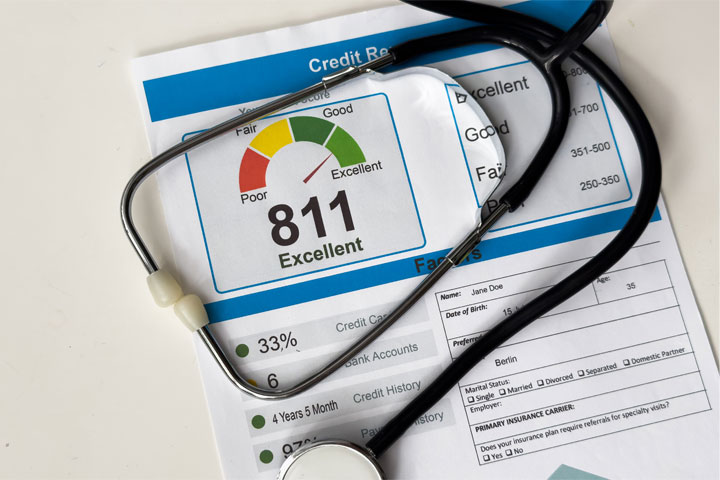
Simple Steps to Build a Stronger Financial Future
Your credit health affects more than just your ability to borrow money. It influences your financial confidence, the interest rates you’re offered, and even opportunities like renting a home or starting a small business. The good news? Improving your credit is absolutelyl within reach, no matter where you’re starting from.
Here’s a simple, helpful guide to get you started on improving your credit today:
Know Your Credit Score – and What Impacts It
Think of your credit score as your financial GPA. It reflects how reliably you manage debt and repay lenders. Your credit score is more than a number – it directly impacts your ability to buy a home, finance a vehicle, secure a credit card, and even influence insurance rates.
Your score is shaped by:
- Payment History (35%) – Paying on time is the biggest factor. Do you pay on time?
- Amounts Owed (30%) – This includes your credit utilization. How much of your available credit are you using?
- Length of Credit History (15%) – How long have you had credit?
- New Credit Inquiries (10%) – Have you recently opened several new accounts?
- Types of Credit Used (10%) – Do you have a variety (credit cards, auto loans, mortgage, etc.)?

1. Pay Bills on Time – Every Single Month
Your debt payment history accounts for 35% of your FICO Score and is the most important credit scoring factor. Payment history includes on-time, late, and missed payments, all of which are reported to one or more of the national consumer credit bureaus (Experian, TransUnion, and Equifax). Always making payments on time can go the furthest to helping you improve your credit.
Even one late payment can impact your score. A 30-day late payment will remain on your credit report for seven years and hurt your scores, but that negative impact will diminish over time as you get caught up and pay on time going forward. Consistency is the easiest win in building healthier credit.
2. Lower Your Credit Utilization
How much you owe impacts 30% of your FICO Score, and your credit utilization rate – the percentage of available credit you are using on revolving credit accounts, such as credit cards, is a major element. A simple rule: try to use less than 30% of your total credit limit. Even better? Under 10%. Aim to keep it as low as possible.
3. Don’t Close Your Oldest Account
When you close a credit card account, you immediately lose that card’s available credit, which could increase your credit utilization rate and hurt your score. Additionally, length of credit history makes up 15% of your FICO Score and is heavily influenced by your oldest and newest accounts and the average age of all your accounts. While loan accounts are typically closed once you pay off the debt, you can keep credit cards open indefinitely.
Even if you no longer use your oldest credit card, consider using it every few months or putting a small recurring bill on the card to keep it active. If the card no longer serves your needs or charges an annual fee, check with your card issuer to see if you can upgrade or downgrade the card to one that’s a better fit. This may allow you to keep the credit history but switch to a card that works better for you.
4. Diversify the Types of Credit You Have
Credit mix accounts for 10% of your FICO Score and involves managing different types of credit. For example, according to Experian, someone with two credit cards, an auto loan, and a mortgage loan will have a stronger credit mix than someone with just one credit card. Note that your credit mix will generally not be a major factor in determining your eligibility for a loan or credit card, but it can help take a good credit score to the next level.
Your credit mix will likely improve naturally over time as you apply for different types of credit to meet your financial needs. If you are just starting to establish your credit history, it can help to apply for a starter credit card or a credit building loan. Once you get going, however, try to avoid taking on more debt than is necessary just for the sake of building credit.
Because your credit mix has a smaller influence on your credit score, there is no need to rush. Diversifying your credit mix can take several years as you apply for new credit accounts when you need them.
5. Dispute Inaccurate Information on Your Credit Report
Inaccurate credit report information can have a significant negative impact on your credit score, especially if it is a serious issue like a late payment or a high credit card balance.
If you have inaccurate or fraudulent information on your credit reports, you have the right to dispute it with the credit reporting agencies. You can obtain a copy of your credit report from AnnualCreditReport.com, which is the official site to get your free annual credit reports. Do not be fooled by look-alike sites. You can be sure that you are on the right site if you type www.annualcreditreport.com in your browser. Don’t go to this website by clicking on a link in another site or email.
6. Limit New Credit Applications
Every time you apply for credit, a “hard inquiry” appears – and too many can temporarily lower your score. These inquiries and how long it has been since you have opened an account make up 10% of your FICO Score. According to Experian, each hard inquiry will typically knock fewer than five points off your credit score, but multiple inquiries in a short period of time, especially when applying for credit cards, could have a negative effect.
Before you apply for a loan or credit card, check to see if the lender offers prequalification, which can give you an idea of your eligibility and potential terms with a “soft” credit check, which will not impact your credit score. Hard inquiries remain on your credit reports for up to two years, but they only impact your FICO Score for up to one year.
Credit is personal, and everyone’s journey looks different. The important thing is taking the first step. Strengthening your credit health is one of the most empowering financial decisions you can make.
Disclaimer: Portions of the information in this narrative were obtained from resources published by Experian.